
ENCE 10: Environment, Climate, Sustainability
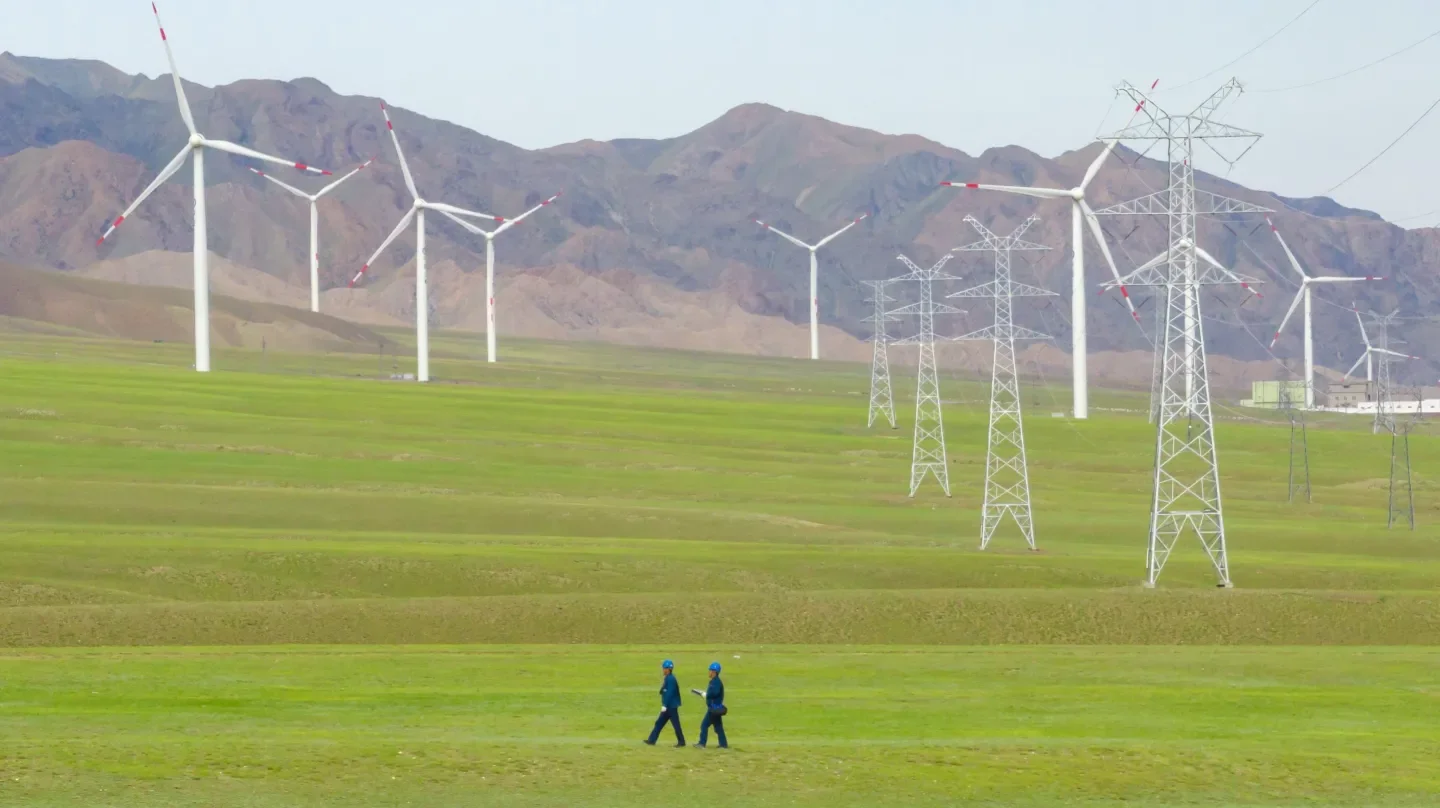
Climate change is humanity’s biggest and most urgent problem. Understanding climate change and working to mitigate and adapt to it requires the ability to see across traditional intellectual divides. For instance, the problem of transitioning from coal, oil and gas to renewable and non-fossil energies exemplifies the interlinked, interdisciplinary quality of the wicked problems that seem so characteristic of climate change. Solutions require expertise in the physics of energy density and intermittency, the biodiversity effects of energy infrastructure, the geology of natural resources, the atmospheric science of greenhouse gas emissions, the human institutional arrangements of energy markets, the cultural meanings people make of material technologies like wind turbines and solar panels, and the distribution of wins and losses that accompanies any large-scale societal change. Other problems of climate change like global collective action, climate justice, food and water security, and climate migration also require creative connections that blend breadth and depth. To build this integrative, creative perspective, this course takes a problem-oriented and case-based approach to three core wicked problems of climate change. Students develop maps of existing areas of knowledge about climate change, learn to think across those areas, evaluate claims about climate change, identify opportunities to deepen expertise and create new knowledge, and practice creativity through analysis and integration. The reading focuses on problems, cases, and solutions. The lectures include the necessary background material.